
From Data Overload to Decision Clarity: Rethinking Real-Time Analytics in Logistics
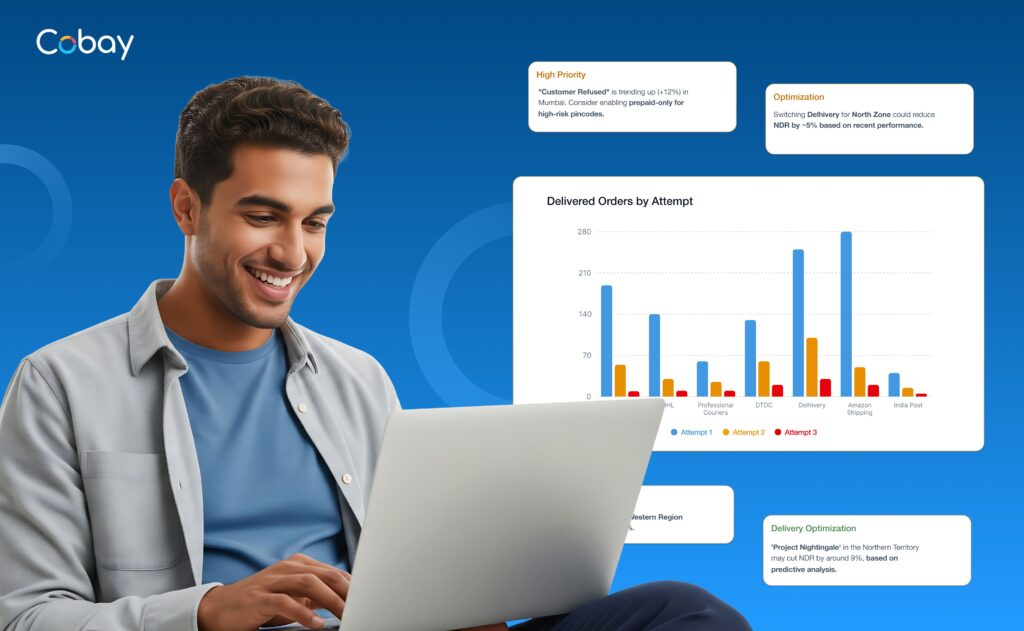
We had “real-time analytics.” And still… We didn’t know what to fix.
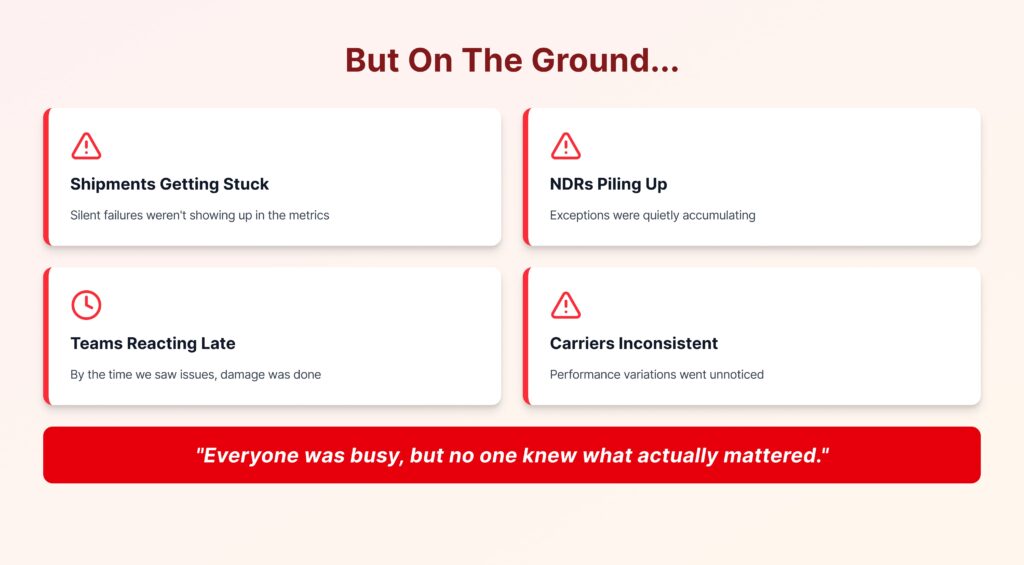
On paper, everything looked fine, shipments were growing, delivery % looked healthy, and RTO seemed under control. But on the ground, shipments were getting stuck, NDRs were quietly piling up, carriers were inconsistent, and teams were always reacting late. Everyone was busy, but no one knew what actually mattered.
The problem wasn’t data. It was clarity.
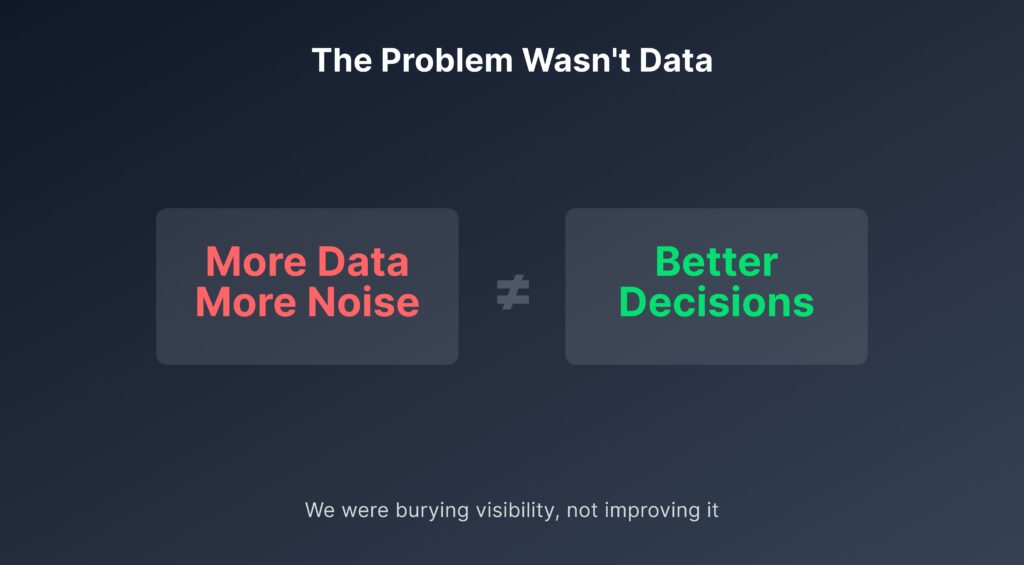
Like most teams, we believed more data would lead to better decisions. So we added more dashboards, more charts, more filters. It felt powerful, but it only created noise, confusion, and slower decisions. We weren’t improving visibility, we were burying it.
The turning point came when we stopped asking, “What data should we show?” and started asking, “What decision should this screen help make?”
That changed everything. We moved away from vanity metrics like total shipments and delivery % and focused on what actually drives action delivery success, exception exposure, stuck shipments, first attempt delivery rate, and carrier health. Same data, completely different clarity.
What changed on the business:
- 20% reduction in RTO, directly improving realized revenue
- ₹10–15L monthly savings by cutting avoidable return losses
- 12% drop in overall logistics cost through smarter carrier allocation
- 17% increase in revenue recovery via better return-to-exchange conversion
- 11% increase in on-time deliveries with SLA-based routing
- 25% improvement in NDR recovery rates through faster follow-ups
- 16% faster transit times with zone-wise carrier optimization
- 26% fewer stuck shipments using proactive intervention triggers
In logistics, timing is everything. A few hours of delay can cause a failed delivery, a missed attempt can turn into RTO, and a missed signal can cost real revenue. By the time it shows up in a report, it’s already too late.
That’s the difference between analytics and real decision-making.
We didn’t build Cobay to create prettier dashboards or more detailed reports. We built it to remove the guesswork that slows teams down. Instead of adding more features, we cut through the noise focused only on decision-driving KPIs and built for action.
Now, when someone opens the system, they don’t get stuck analyzing data. They know what to do next. Because every growing business eventually hits the same wall data everywhere, but no clarity or meaningful insights. That’s the shift we cared about solving.
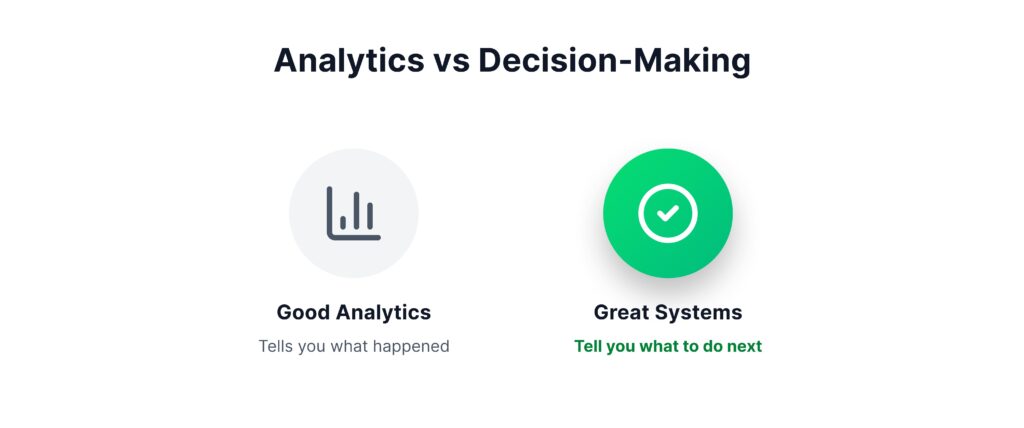
Good analytics tells you what happened.
Great systems tell you what to do next.
They highlight what matters, what’s moving, and what needs your attention right now. Because knowing the past is helpful but acting on the present is what drives outcomes.
If you’ve faced this where data exists but clarity doesn’t, how did you solve it? Let’s hear your take 👇
